The rise of lab-grown diamonds has contributed to the collapse of prices across the jewelry diamond market, including for natural stones. Long understood as a scarce and valuable luxury, diamonds can now be manufactured in laboratories at scale for a fraction of their former cost.
This evolution of the industry is typically – mistakenly – presented as one of “lost” value, but that narrative only considers diamonds as a consumer product. The language we use to describe diamonds itself captures the distinction. Diamonds (plural) refer to individual stones sold as jewelry, whereas diamond (singular) refers to the material and its many unique, unusual, and valuable physical properties.
Diamond’s utility in material science has been deeply underappreciated, and lower prices now allow engineers to use the material in industries as dynamic and innovative as artificial intelligence and quantum technology. In reality, although diamonds as consumer products have fallen sharply in price, diamond as a material is becoming both cheaper and more valuable at the same time.
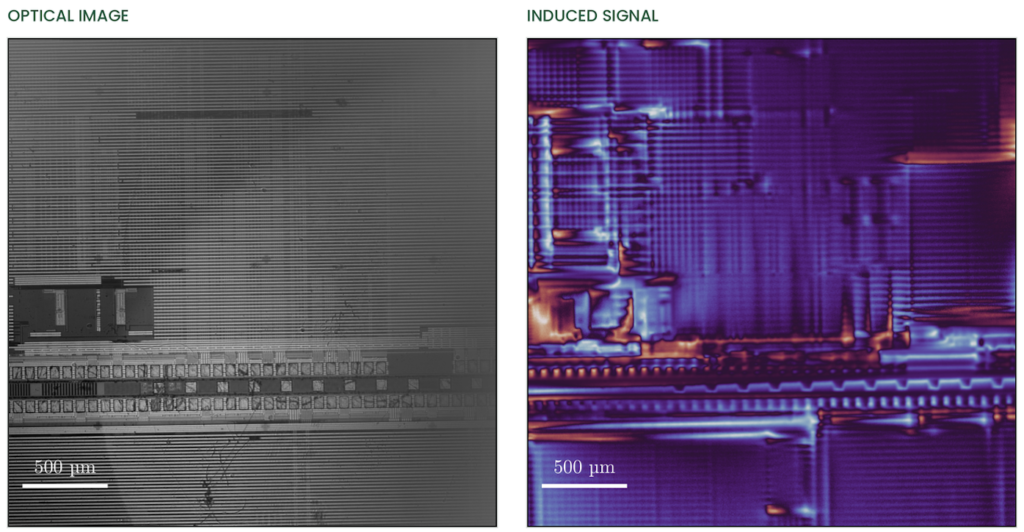
The infrastructure behind artificial intelligence, for example, relies on increasingly powerful chips, and the heat they generate can limit performance. Diamond’s exceptional thermal conductivity makes it a promising way to draw that heat away. Quantum sensors can use deliberately engineered defects in diamond’s crystal lattice to read subtle variations in Earth’s magnetic field, a capability being developed in part to complement or replace GPS.
Outside the industry, falling prices and expanding supply are often taken as evidence that diamond has become fungible. Within the market, technology buyers encounter a more complicated market. They seek particular performance characteristics, and growers understand how strongly those characteristics depend on production. Diamond can therefore be commodity-like in aggregate while remaining nonfungible at the application level.
That combination creates a need for managed marketplaces capable of matching application-specific demand with specialized supply.
The technology companies I work with usually arrive describing the performance they need, such as a device that must run cooler or a sensor that must detect a weaker signal. They may not know which material properties or manufacturing processes will produce that performance. Growers have typically spent years refining equipment and processes that give them particular production capabilities, often with little visibility into which emerging technologies require them.
Buyers understand the performance they need, while growers understand the processes they control. Connecting the two requires a detailed understanding of both. A managed marketplace translates the buyer’s desired performance into material requirements, evaluates supplier claims against actual production capabilities, and identifies the testing needed to verify a match.
Most people understand a marketplace as a digital bazaar, like eBay or Craigslist. Sellers list what they have, buyers search the listings, and the platform collects a fee when a transaction occurs. That model works when a shared commercial language allows buyers to compare products, determine whether they meet their requirements, and hold sellers to what they have represented. Technology-grade diamond lacks those conditions, so merely publishing listings does not tell a buyer whether the material will perform as required.
Jewelry diamonds are relatively easy to describe and compare because the industry has standardized four attributes: cut, color, clarity, and carat weight. Buyers, sellers, and grading laboratories use these “Four Cs” as a shared commercial language. Technology-grade diamond has no equivalent because the properties that determine performance vary by application, and the specifications for those applications evolve with the underlying technologies.
Managed marketplaces build that missing commercial language by making and verifying matches. Each transaction reveals which material properties matter for an application, which production processes can produce them reliably, and what testing is needed to confirm performance. That knowledge makes future buyer requirements easier to specify and supplier capabilities easier to evaluate, reducing uncertainty across the market.
Lower prices expand the range of applications that can make economic use of diamond, bringing new and increasingly specific performance requirements into the market. Growers specialize around the properties they can control reliably, producing a wider range of technically distinct materials even as aggregate supply increases. The average price of diamond can therefore fall while the market becomes more differentiated and the cost of making a bad match rises.
For generations, the commercial value of diamonds was measured mainly by what consumers would pay for a finished stone. Lower-cost production makes another form of value increasingly important: the performance diamond can contribute to a technology. Realizing that value depends on supplying material with the precise characteristics each application requires, making technical knowledge and reliable matching more important as diamond itself becomes cheaper.
Diamond may ultimately prove most valuable when engineers can afford to use it.