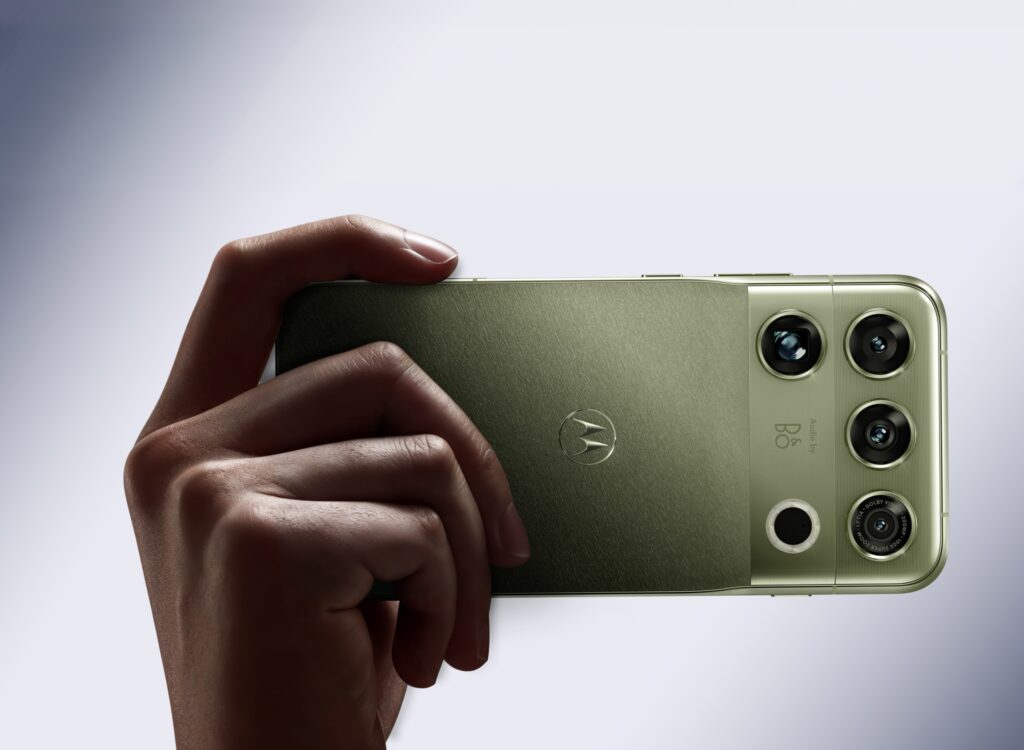
Motorola just dropped a major announcement out of the Qualcomm Tech Summit, and while the mainstream tech press is distracted by camera megapixels and software features, our eyes went straight to the thermal architecture. Why? Because with the newly previewed Motorola Signature 27, the company is bringing advanced diamond material science right to the palm of your hand.
Here is our LattiSpec breakdown of why the Signature 27’s diamond-driven thermal management is the real star of the show.
The Heat Problem: Taming the Snapdragon Extreme
Motorola is positioning the Signature 27 as their “most advanced smartphone yet,” and to back that up, they’ve equipped it with Qualcomm’s brand-new Snapdragon 8 Elite Extreme Gen 6 mobile platform. Pushing immense on-device AI operations and high-framerate gaming generates a massive thermal load.
Traditional graphite pads and standard copper vapor chambers simply aren’t enough to prevent a processor of this magnitude from thermal throttling. To solve this, Motorola had to look to the ultimate thermal conductor: the diamond lattice.
The “ArcticMesh” System: Diamond-Infused Thermal Gel
This is exactly what we live for here at LattiSpec. To handle the extreme heat output of the new Snapdragon chip, Motorola has engineered a proprietary cooling system they call “ArcticMesh.” The beating heart of this system is a brand-new diamond-infused thermal gel serving as the primary Thermal Interface Material (TIM) between the processor and the phone’s 3D vapor chamber.
As our readers know, the rigid, tightly-packed carbon lattice structure of a diamond gives it the highest thermal conductivity of any known bulk material—up to five times higher than copper and vastly superior to traditional silicone-based thermal pastes. By suspending microscopic diamond particles within the gel, the ArcticMesh system rapidly and efficiently wicks heat away from the SoC’s most intense hotspots.
What does this lattice-level engineering mean for performance?
Zero Thermal Bottlenecks: The diamond gel rapidly bridges the gap to the 3D vapor chamber, allowing the phone to sustain maximum clock speeds for prolonged periods without dipping.
Cooler Surface Temps: Even when pushing the limits of mobile processing, the rapid heat dissipation prevents localized hot zones on the back of the device.
Powered by the Lattice
Because the diamond thermal gel keeps the engine running at optimal temperatures, the rest of the Signature 27’s aggressive hardware is free to operate at maximum capacity:
Unhindered Camera Processing: The device’s jaw-dropping 200MP periscope telephoto lens and custom 50MP Sony LYTIA™ L910 sensor rely on heavy AI processing for 100x “Super Zoom Pro” and real-time video enhancement—tasks that the diamond-cooled processor can now handle indefinitely.
Extended Battery Efficiency: Keeping the processor cool means less energy is wasted as heat, maximizing the efficiency of the massive 7,000 mAh silicon-carbon battery.
The LattiSpec Takeaway
With the Signature 27, Motorola is proving a point we’ve made for years: the future of mobile performance isn’t just about shrinking transistors; it’s about advanced material science.
The integration of a diamond-infused thermal interface in a mass-market flagship validates the incredible engineering potential of carbon lattice structures in consumer tech. The Signature 27 comes wrapped in a premium aluminum body with a “Tactical Weave” finish and Bang & Olufsen audio, but for us, the true luxury is under the hood.