
HORIBA Acquires Pristine Deeptech

Establishing an R&D Footprint in India for Analytical and Measurement Solutions for Advanced Materials
Physicists Discover a New Way To Connect Qubits With Diamond Imperfections

A new study suggests that crystal defects in diamond may hold the key to scalable quantum interconnects.
High-Performance Bondable Diamond Solutions
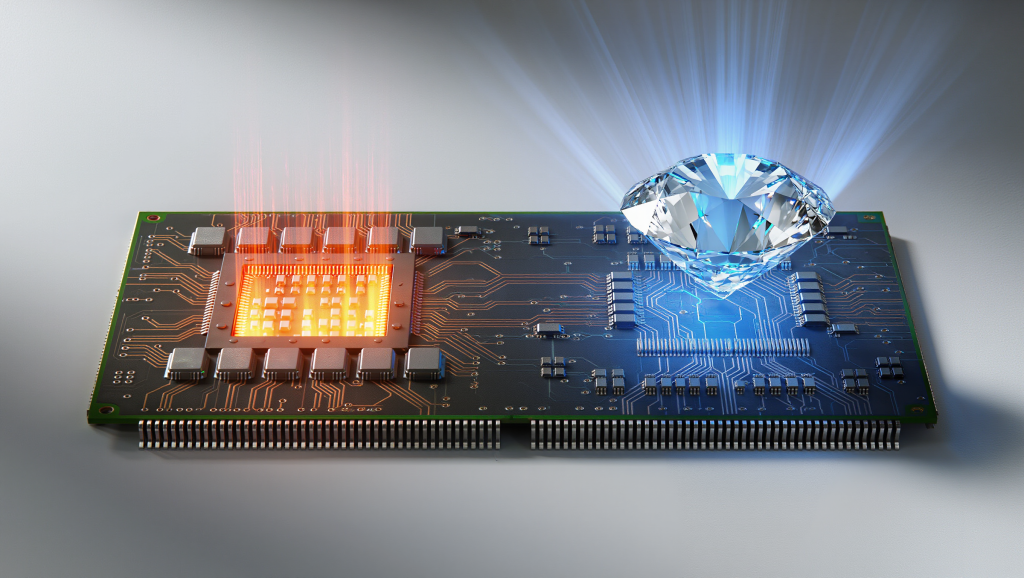
Coherent (NYSE: COHR) has announced the launch of its state-of-the-art Bondable Diamond solutions for thermal management: a diamond solution engineered with a specialized surface finish that enables direct bonding to semiconductor die for electronic and opto-electronic applications. By eliminating or dramatically reducing thermal interface resistance, bondable diamond significantly improves device cooling performance.
Navigating the Tech-Grade Diamond Landscape: The Power of Precision Matchmaking

The world of technology-grade grown diamonds (TGGDs) is experiencing a period of unprecedented innovation and growth. From advanced optics to cutting-edge thermal management, the applications for these remarkable materials are expanding rapidly. However, this very dynamism also presents a significant challenge: fragmentation. In a landscape teeming with diverse growers, specialized applications, and complex supply chains, clarity and efficiency are paramount. This is where the strategic advantage of Precision Matchmaking comes into play.
QuantumDiamonds invests over €150M for quantum chip inspection facility
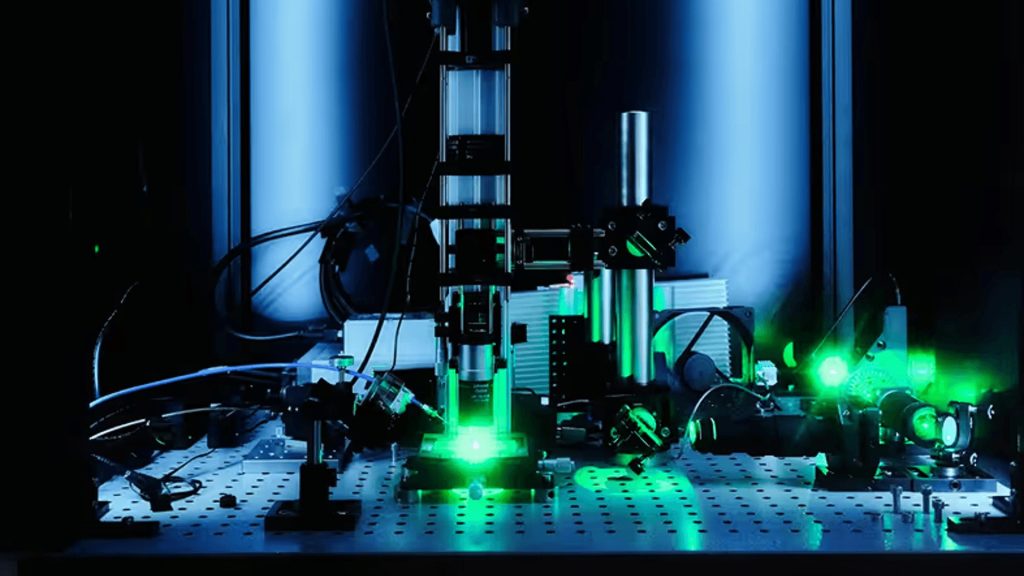
QuantumDiamonds plans a Munich production site for quantum chip metrology, expanding deployments globally with expected public support under the European Chips Act.
Why the Next Generation of EVs May Run on Diamond, Not Silicon

For decades, the automotive industry has quietly evolved into one of the world’s hungriest semiconductor consumers. Today, a modern vehicle houses anywhere between 1,000 and 3,500 semiconductor components, and that number swells further in fully electric vehicles (EVs). Batteries, power inverters, fast-charging modules, onboard computers, and autonomous driving systems all rely on chips—not just for intelligence, but for energy management. And in the electrification era, energy efficiency is range.
Diamond Blankets Will Keep Future Chips Cool

Today’s stunning computing power is allowing us to move from human intelligence toward artificial intelligence. And as our machines gain more power, they’re becoming not just tools but decision-makers shaping our future.
Lab-grown diamond coatings shown to prevent mineral scale in industrial pipes
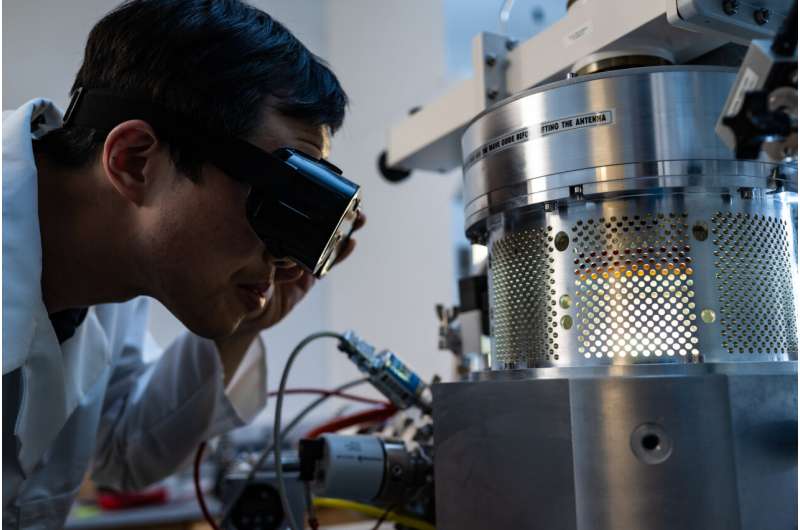
A new study by Rice University engineers shows that lab-grown diamond coatings could resolve the issue, providing an alternative to chemical additives and mechanical cleaning, both of which offer only temporary relief and carry environmental or operational downsides.
Quantum Diamond Microscopy Unveiled at ESTIC Can Help Neuroscience & Materials Research
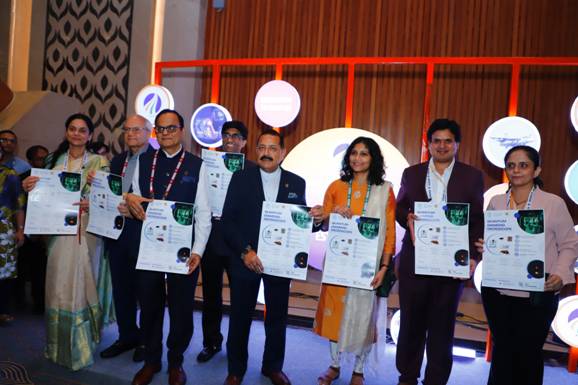
Under the National Quantum Mission (NQM), of the Department of Science and Technology (DST), P- Quest Group at IIT Bombay has developed India’s first indigenous Quantum Diamond Microscope (QDM) for dynamic magnetic field imaging — a breakthrough that marks a milestone in quantum sensing and has earned India its first patent in this domain.
The Next Phase for Technology-Grade Grown Diamonds: Joint Ventures that Shorten the Path from Lab to Market

Prime TGGD growers are forming JVs with tech developers—shrinking timelines, sharing IP, and accelerating diamond-based products across key industries.

